Covering 30,000 hectares, the Burgundy vineyards are divided into five major wine-growing regions, each with its own unique identity.
-Chablis and Grand Auxerrois: renowned for their mineral white wines (Chablis) and structured reds (Irancy).
-Côte de Nuits: home to the great red wines (Vosne-Romanée, Gevrey-Chambertin), appreciated for their depth and aging potential.
-Côte de Beaune: famous for its exceptional white wines (Montrachet, Meursault) and elegant reds (Pommard).
-Côte Chalonnaise: offers accessible, high-quality appellations (Mercurey, Rully).
-Mâconnais: renowned for its generous white wines (Pouilly-Fuissé) and a few reds.
To the south, Beaujolais produces fruity reds from the Gamay grape. Protected by the Massif Central, the Burgundy vineyards benefit from a semi-continental climate and a diversity of soils that produce exceptional wines.
With its 100 appellations, Burgundy alone accounts for 20% of French AOCs. This diversity represents a guarantee of authenticity and quality for the wines. These appellations guarantee the terroir of origin, the production method, the expertise, and the tradition. This wide variety of appellations can be explained by the diversity of the vineyard's terroirs. Here, particular mention is made of the “Climats,” plots of land that have been demarcated for generations according to the natural conditions that apply to them. This Burgundian specificity is now synonymous with excellence and gives hierarchy to this exceptional mosaic.
Renowned throughout the world, Burgundy is an iconic wine region, known for its refined wines and unique terroir. Although its production is much lower than that of Bordeaux, it is distinguished by its unrivalled quality. The red wines are mainly made from Pinot Noir, while the whites are made from Chardonnay, two grape varieties emblematic of the region.
Its wine-growing history dates back to ancient times, but it was the Benedictine and Cistercian monks who truly shaped the vineyard and established the first classifications. In 1395, Duke Philip the Bold regulated production to preserve the excellence of the wines. Today, Burgundy shines through its varied terroirs, notably the Côte d'Or, Côte Chalonnaise, Mâconnais, and Chablis, offering wines of incomparable richness.
Burgundy, famous for its appellation system, reflects the diversity of its terroirs. Four levels of appellations structure the region: regional, village, premier cru, and grand cru.
There are 23 of these across the vineyards. As the largest in terms of surface area, they offer an introduction to the world of Burgundy wines. The regional appellation Bourgogne can also be supplemented by a geographical designation: commune or lieu-dit. Examples include the appellations Bourgogne Côte de Beaune and Bourgogne Mâcon.
These appellations take their name from their commune of origin. There are 44 of them in the wine region. Wines bearing this designation are produced in areas defined by the INAO (Institut National de l'Origine et de la Qualité). They are a first step into the diversity offered by Burgundy wines. Notable appellations include Mercurey, Pommard, and Nuits-Saint-Georges.
This designation highlights unique parcels of land—or Climats—within the AOC Villages. This recognition of the quality of a specific terroir is reflected on the label by the name of the commune, followed by the name of the parcel. For example, the Chablis appellation includes prestigious Climats that produce wines such as Chablis Fourchaume, Chablis Montée-de-Tonnerre, and Chablis Mont-de-Milieu.
Expressing exceptional climats, there are only 33 of them in the whole of Burgundy. The name of the village disappears from the label, leaving only the name of the Climat. Renowned worldwide, these refined wines—Corton-Charlemagne and Charmes-Chambertin, to name but a few—represent the elite of Burgundy's production.
The diversity of soils (limestone, marl, clay) and microclimates confers a unique richness. Key areas include the Côte-d'Or, Chablis, and Mâconnais.
Renowned estates: among the most prestigious are Domaine de la Romanée-Conti, Domaine Leroy, and Maison Louis Jadot.
Burgundy, with its grand’s crus and rich geology, remains a global benchmark for exceptional wines.
Pinot Noir and Chardonnay are the essential grape varieties of the Burgundy vineyards. Pinot Noir produces elegant red wines, combining power and finesse, with autumnal notes and a beautiful freshness. Chardonnay produces dry and refined white wines, revealing all their complexity depending on the terroir and climate.
Other grape varieties exist in smaller quantities, such as Sauvignon, used in the Saint-Bris AOC, and Aligoté, typical of Bouzeron, which produces a lively white wine with aromas of citrus and dried fruit. Burgundy is also distinguished by its Crémant de Bourgogne, a sparkling wine appreciated for its finesse and freshness, which complements the incredible diversity of this exceptional wine region.
Burgundy wines are renowned for their elegance and complexity. Made mainly from Pinot Noir for reds and Chardonnay for whites, these iconic grape varieties reflect the richness and diversity of Burgundy's terroirs. Gamay, which dominates in Beaujolais, and Aligoté, found in the Bourgogne Aligoté appellation, complete this unique palette.
With 84 AOCs and a UNESCO World Heritage listing since 2015, Burgundy embodies winemaking excellence. As early as the Middle Ages, Cistercian and Benedictine monks structured the vineyards and defined the climates, laying the foundations for modern viticulture.
Chardonnay comes in several styles: lively and mineral in Chablis, full-bodied and buttery in Côte de Beaune (Meursault, Puligny-Montrachet). Pinot Noir, grown in the Côte de Nuits (Gevrey-Chambertin, Vosne-Romanée) and Côte de Beaune (Pommard, Volnay), produces refined reds with aromas of red and black fruits and excellent aging potential.
Burgundy Grand Crus (33 appellations):
Chablis Grand Cru (7 climats: Blanchot, Bougros, Les Clos, Grenouilles, Preuses, Valmur, Vaudésir)
Bonnes-Mares
Chapelle-Chambertin
Chambertin
Chambertin-Clos de Bèze
Charmes-Chambertin
Clos de la Roche
Clos des Lambrays
Clos de Tart
Clos Saint-Denis
Clos Vougeot
Échezeaux
Grands-Échezeaux
Griotte-Chambertin
Latricières-Chambertin
Mazis-Chambertin
Mazoyères-Chambertin
Musigny
Richebourg
Romanée-Conti
La Romanée
Romanée-Saint-Vivant
La Grande Rue
La Tâche
Bâtard-Montrachet
Bienvenues-Bâtard-Montrachet
Chevalier-Montrachet
Corton (28 climats: Le Clos du Roi, Les Bressandes, Les Renardes, Les Pougets, Les Grèves, Le Rognet and Corton)
Corton-Charlemagne (8 climats: Basses Mourottes, En Charlemagne, Hautes Mourottes, Le Charlemagne, Le Corton, Les Languettes, Les Pougets, Les Renardes)
Criots-Bâtard-Montrachet
Montrachet
Premiers Crus (around 600 climats)
Some examples:
Vosne-Romanée 1er Cru “Les Suchots”
Nuits-Saint-Georges 1er Cru “Les Saint-Georges”
Meursault 1er Cru “Les Perrières”
Pommard 1er Cru “Les Rugiens”
Chablis Premier Cru “Montée de Tonnerre”
Chablis Premier Cru “Fourchaume”
Communal Appellations (Village):
Chablis: Petit Chablis, Chablis
Côte de Nuits: Gevrey-Chambertin, Chambolle-Musigny, Nuits-Saint-Georges, Morey-Saint-Denis, Fixin, Marsannay, Vosne-Romanée
Côte de Beaune: Beaune, Pommard, Volnay, Meursault, Chassagne-Montrachet, Puligny-Montrachet, Savigny-lès-Beaune
Côte Chalonnaise: Rully, Mercurey, Givry, Montagny, Bouzeron
Mâconnais: Mâcon, Pouilly-Fuissé, Pouilly-Loché, Pouilly-Vinzelles, Saint-Véran, Viré-Clessé
Regional appellations:
Burgundy
Burgundy Aligoté
Burgundy Passe-Tout-Grains
Burgundy Hautes-Côtes de Beaune
Burgundy Hautes-Côtes de Nuits
Burgundy Côte d'Or
Burgundy Côtes d'Auxerre
Burgundy Côtes du Couchois
Burgundy Épineuil
Burgundy Tonnerre
Burgundy Vézelay
Coteaux Bourguignons
Crémant de Bourgogne
Burgundy has 33 Grand Crus, spread across the Côte de Nuits and Côte de Beaune. These prestigious appellations produce some of the most sought-after wines in the world.
Grands Crus of the Côte de Nuits (24) – Exceptional red wines
Vins rouges exceptionnels
Bonnes-Mares
Chapelle-Chambertin
Chambertin
Chambertin-Clos de Bèze
Charmes-Chambertin
Clos de la Roche
Clos de Tart
Clos de Vougeot
Clos des Lambrays
Clos Saint-Denis
Échezeaux
Grands-Échezeaux
Griotte-Chambertin
La Grande Rue
La Romanée
La Tâche
Latricières-Chambertin
Mazis-Chambertin
Mazoyères-Chambertin
Musigny
Richebourg
Romanée-Conti
Romanée-Saint-Vivant
Vougeot
Grands Crus of the Côte de Beaune (9) – Renowned for their exceptional whites
Bâtard-Montrachet
Bienvenues-Bâtard-Montrachet
Chevalier-Montrachet
Corton (red and white)
Corton-Charlemagne
Criots-Bâtard-Montrachet
Montrachet
Charlemagne
Clos de la Roche
Would you like to register your estate or promote it? Contact us
In Burgundy, you can discover a wonderful historical heritage, where churches and castles rival each other in elegance. Don't forget the museums and tourist sites that will give you a glimpse of the region's many treasures.
But there are also family leisure activities, swimming and other water sports, hiking and cycling, golf, thermal baths...
The patchwork landscape of vineyards, the hills of Morvan, lakes and bocage Choose a vacation in the heart of nature, surrounded by bocage. The castles of Burgundy constitute a heritage of incredible richness and diversity. Some still retain the spirit of their famous guests, such as Vauban, Madame de Sévigné, and Lamartine. There is also an invitation to discover the works of the park's gardeners. What is certain is that this is an elegant expression of the grandeur of old Burgundy.
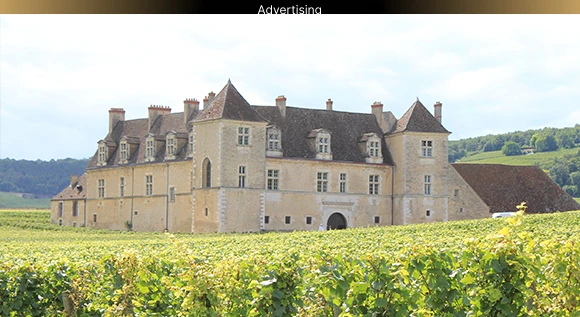
CHATEAU DU CLOS DE VOUGEOT
Built in the 12th century by Cistercian monks, this château is a symbol of Burgundy's wine-growing heritage. Today, it is home to the Confrérie des Chevaliers du Tastevin (Brotherhood of the Tastevin Knights) and offers a fascinating insight into the history of the region's wines.
CHATEAU DE CORMATIN
Built in the 17th century, this château impresses with its majestic architecture, richly decorated interiors, and French gardens. It is an ideal place for art and history enthusiasts.
CHATEAU DE TANLAY
This Renaissance-style château, surrounded by moats, is distinguished by its architectural elegance and historical frescoes. During the Wars of Religion, it was an important Protestant stronghold.
CHATEAU DE SAINT-FARGEAU
Built in pink brick, this 10th-century castle is famous for its summer historical reenactments, which immerse visitors in living reconstructions of the past.
GUEDELON CASTLE
Guédelon is a unique project involving the construction of a medieval castle using only 13th-century techniques. It offers an immersive experience that allows visitors to discover the craftsmanship of yesteryear. Burgundy has a wealth of museums that reflect its cultural and historical diversity.
MUSEO PARC ALESIA
This historic site immerses you in the legendary battle between Vercingetorix and Julius Caesar through interactive exhibits and captivating reconstructions. An immersive experience to better understand this key episode in history. Burgundy is rich in archaeological sites that bear witness to its ancient history. Here are some of the most remarkable.
MUSEE DES BEAUX-ARTS DE DIJON
Housed in the prestigious Palais des Ducs, this museum offers a vast collection ranging from Egyptian antiquities to major works by artists such as Rodin and Delacroix. Completely renovated, it is a must-see for art lovers.
HOSPICES DE BEAUNE
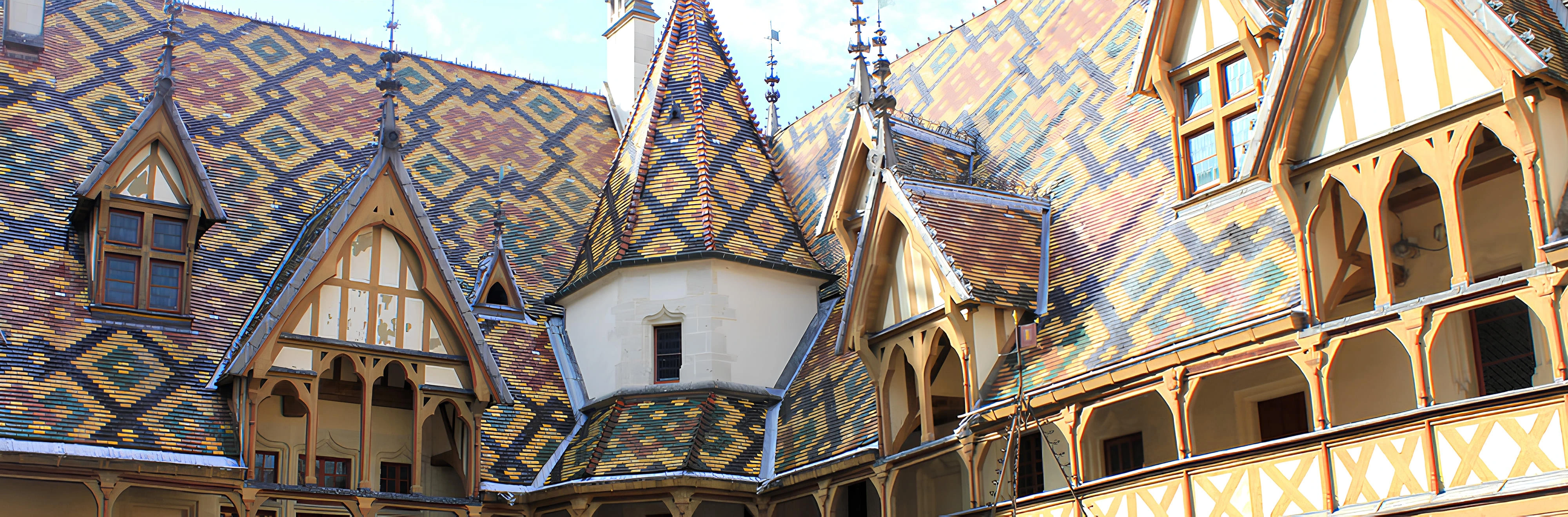
Founded in the 15th century, this former hospital is known for its spectacular Gothic architecture and colorful roofs. It also houses a remarkable art collection and is the venue for a famous annual wine auction.
ZERVOS MUSEUM IN VEZELAY
This modern art museum houses iconic pieces by Picasso, Giacometti, Miró, and Calder, collected by art critic Christian Zervos. An ideal visit for contemporary art enthusiasts.
NICEPHORE NIEPCE MUSEUM IN CHALON-SUR-SAONE
Dedicated to the inventor of photography, this museum traces the evolution of this art form and exhibits historical cameras, including the very first camera ever made.
BIBRACTE
The former capital of the Aedui, Bibracte is located at the foot of Mount Beuvray. This archaeological site offers visitors the chance to discover the life of the Gauls through ongoing excavations and a museum dedicated to archaeology.
AUTUN
Autun, the former capital of the Aedui, is full of Gallo-Roman remains, such as the Temple of Janus, an ancient theater, and ramparts that bear witness to its rich historical past.
CHATILLON-SUR SEINE
This town is particularly well known for its Musée du Trésor de Vix, where visitors can admire the famous Vix krater, a bronze vase dating from the 5th century BC, which bears witness to the cultural influences of the time.
VISITS TO EDUCATIONAL FARMS
For an immersive and educational experience, several educational farms open their doors to families. At the Maison du Charolais, you can discover the Charolais cattle breed and learn more about local agricultural life through interactive tours.
FONTENAY ABBEY
Founded in the 12th century, Fontenay Abbey is one of the oldest Cistercian abbeys still preserved. It offers a glimpse into medieval monastic life through its church, cloister, and buildings.
HIKING AT LA ROCHE DE SOLUTÉ
La Roche de Solutré, an exceptional natural site, is perfect for a family outing. The hiking trails offer superb views of the surrounding vineyards and hills, and the panoramas from the summit are unforgettable.
WATER SPORTS ON THE LAKES
Burgundy has many lakes that are ideal for water sports. You can go canoeing, kayaking, or swimming, as at Lake Panthier, where pedal boats and windsurf boards are available for rent.
TREETOP ADVENTURE AND ADVENTURE COURSES
The region's treetop adventure parks offer fun and challenging courses for the whole family. The Parc Aventure de la Forêt de Givry offers courses suitable for young and old alike, in a natural setting.
SOLUTRE
The site of La Roche des Saltre is an important prehistoric site, mainly featuring horses and animals. The prehistoric period on the site allows you to discover the life of prehistoric hunters and their tools. The importance of these archaeological sites is extremely significant for anyone immersed in the ancient history of Burgundy and wishing to explore its various treasures. Burgundy is rich in religious sites that speak to its spiritual and architectural history. Here is the most notable:
The Cathedral of Vézelay is listed as a UNESCO World Heritage Site. This Romanesque basilica is an important pilgrimage site, especially for travelers who follow the paths of Saint Jacques de Copostel. It is famous for its incredible sculpture and spiritual atmosphere.
PRIEURE NOTRE-DAME DE LA CHARITE-SUR-LOIRE
These sites have been classified as UNESCO World Heritage Sites and were an integral part of the route taken by pilgrims traveling to Santiago de Compostela. The recently restored churches have attracted many followers and demonstrate the historical significance of this site. These religious sites are fascinating reminders of Burgundy's spiritual heritage and are steeped in the region's history and religious architecture. In addition to castles and museums, Burgundy offers a variety of outdoor activities that are perfect for families.
CYCLING ALONG THE CANALS
Burgundy is ideal for cycling along its canals. The Canal du Nivernais, for example, has dedicated cycle paths that allow you to leisurely explore the countryside and charming villages in the area.
GASTRONOMY AND TASTING
Here is a list of restaurants renowned for their gastronomy and wine selection in Burgundy:
Maison Lameloise – Chagny (3 étoiles Michelin)
Le Relais Bernard Loiseau – Saulieu (2 étoiles Michelin)
La Côte Saint-Jacques – Joigny (2 étoiles Michelin)
Restaurant William Frachot – Dijon (2 étoiles Michelin)
L'Écrin de Yohann Chapuis – Tournus (1 étoile Michelin)
Le Carmin – Beaune (1 étoile Michelin)
Le Charlemagne – Pernand-Vergelesses (1 étoile Michelin)
La Table de Levernois – Levernois (1 étoile Michelin)
Aux Terrasses – Tournus (1 étoile Michelin)
Le Clos du Cèdre – Beaune (1 étoile Michelin)
Join the selection of producers on the platform.
Join the network*Featured listings are reserved for Pro Premium members, subject to terms and conditions.