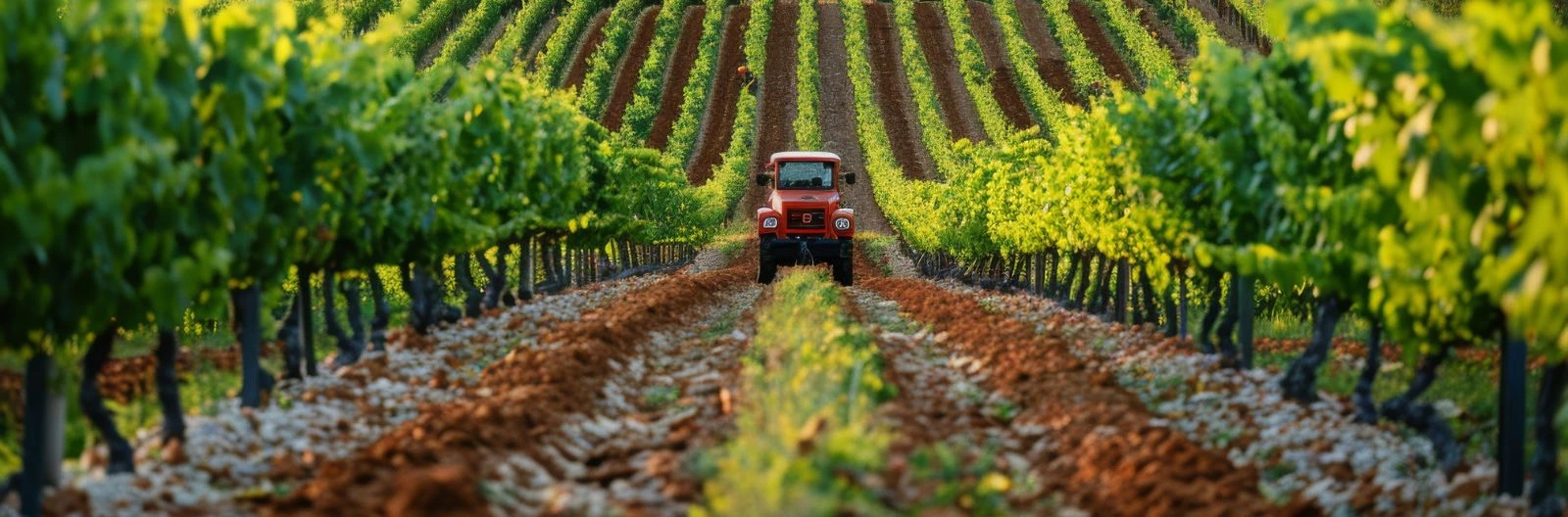
The vineyards of Provence: an exceptional terroir
With 27,000 hectares, Provence boasts several distinct terroirs, influencing the diversity of its wines.
-Côtes de Provence: the largest appellation (84 communes), famous for its fresh, aromatic rosés, as well as a number of reds and whites. Its five terroirs: Sainte-Victoire, Fréjus, La Londe, Pierrefeu, Notre-Dame des Anges.
-Coteaux d'Aix-en-Provence: fruity rosés, structured reds and elegant whites.
-Coteaux Varois en Provence: 80% rosés, 17% reds, 3% whites.
-Bandol: renowned for its powerful Mourvèdre-based reds and gourmet rosés.
-Bellet: near Nice, limited production of indigenous reds and whites.
In a Mediterranean climate, sunshine and the Mistral wind provide optimal conditions for exceptional wines.
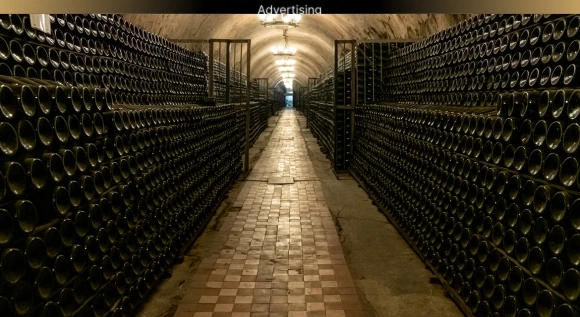
Grape-growing in Gaul dates back to 600 BC, when the Greeks of Phocaea founded Massalia (Marseille). They planted vines along the coast, and archaeological finds such as grape seeds found in Marseille attest to the first vinifications.
Under their influence, the Gauls adopted the vine and the olive tree, initiating a flourishing wine trade thanks to Mediterranean exchanges. With the Roman conquest, viticulture became more structured, before declining after the barbarian invasions.
In the Middle Ages, Provençal abbeys revived vineyards, which became a source of prestige and revenue for the Church. As early as the 10th century, written records show organized production.
In the 21st century, Provence's vineyards attract prestigious investors. Luxury multinationals are buying up estates, particularly around the Gulf of Saint-Tropez, creating tensions with smallholders.
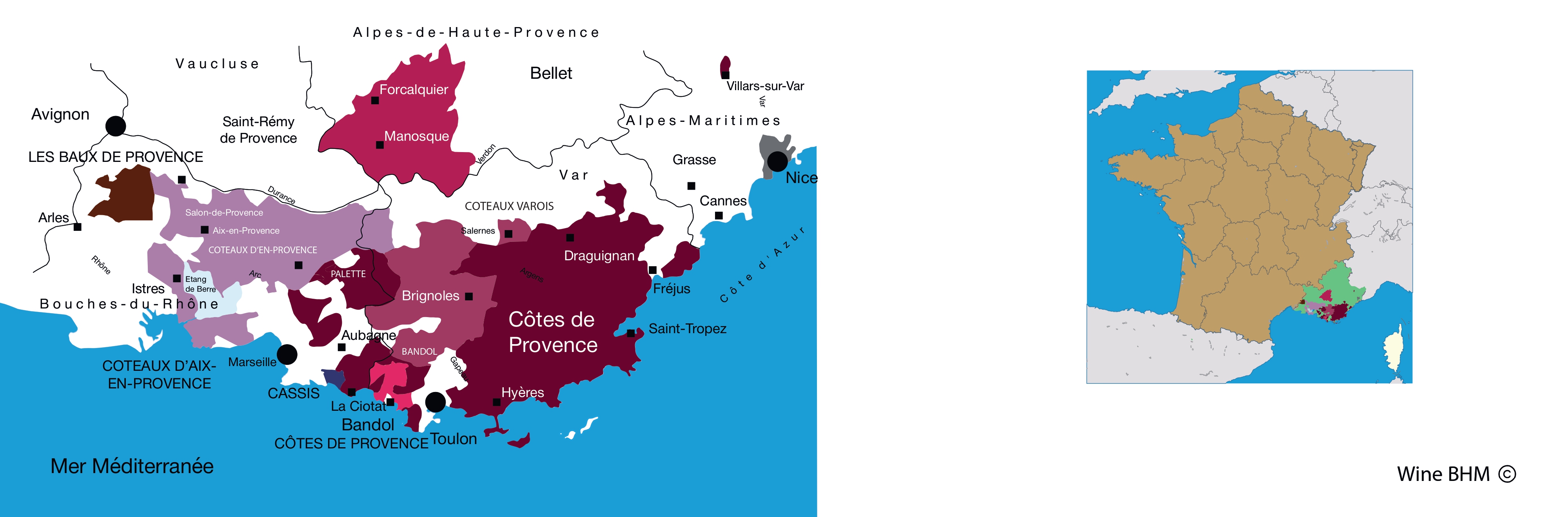
Provence has several appellations structured according to geographical and qualitative criteria.
Protected Designations of Origin (PDO) in Provence:
- Côtes de Provence – covers the Var, Bouches-du-Rhône, and one commune in the Alpes-Maritimes; it includes five complementary geographical appellations: Sainte-Victoire, Fréjus, La Londe, Pierrefeu, and Notre-Dame des Anges.
Coteaux d'Aix-en-Provence
Coteaux Varois en Provence
Bandol
Bellet
Cassis
Palette
Pierrevert
Provence wines are distinguished by the diversity of their terroirs, from limestone to schist, and by their ability to express the full richness of the Mediterranean.
Red grape varieties (used for reds and rosés) :
Mourvèdre
Grenache Noir
Cinsault
Syrah
Carignan
Tibouren
Cabernet Sauvignon
Calitor
Barbaroux
White grape varieties (used for white wines) :
Rolle (or Vermentino)
Clairette
Ugni Blanc
Sémillon
Bourboulenc
Sauvignon Blanc
Muscat Blanc à Petits Grains
Pascal Blanc
These grape varieties are present in the different AOCs of Provence, bringing aromatic diversity and unique balance to Provençal rosés, reds and whites.
Provence wines are renowned for their diversity and quality, with production including reds, whites and especially rosés, often light and fruity. The region enjoys a Mediterranean climate that favors vine-growing, with a variety of grape varieties including Grenache, Syrah, Mourvèdre, Cinsault, Cabernet Sauvignon and Rolle. The soils of Provence, a mixture of garrigue and terraces, give the wines a unique typicity, marked by delicate aromas and characteristic freshness. Provence rosé wines dominate the market, especially those produced on prestigious terroirs such as the Gulf of Saint-Tropez. However, the rise of large companies and foreign investors represents a challenge for small local producers.
The influence of climate and wind on vines
The Mistral wind not only purifies the vines, but also promotes slow, even ripening of the grapes, helping to preserve the acidity and freshness of the wines.
Marine humidity plays a key role on certain coastal terroirs, influencing the salinity perceived in certain white and rosé wines.
Temperature variations between day and night, particularly in higher altitude areas (such as Palette or certain parts of Côtes de Provence), help to concentrate aromas.
Biodynamics and Natural Wines in Provence
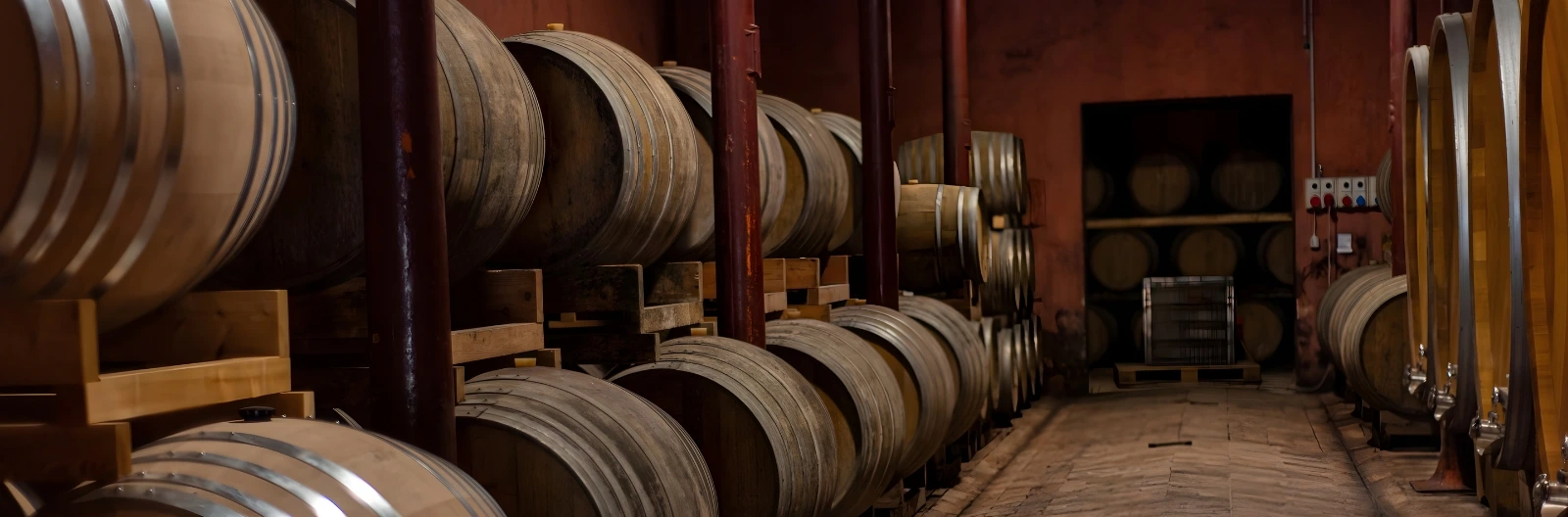
More and more Provençal winemakers are adopting biodynamic, organic or natural winemaking practices.
A few interesting points to mention:
-Some appellations, such as Côtes de Provence and Bandol, have a growing number of estates certified organic or in conversion.
Provence is a pioneering region in experimenting with new eco-responsible practices (reducing sulfur, night harvesting to preserve grape freshness, agroforestry).
Several major Provencal estates, such as Château Léoube, Château de Pibarnon and Château Sainte-Marguerite, are now using biodynamic or low-intervention farming methods.
Experimenting with new grape varieties
In the face of global warming, some winegrowers in Provence are testing grape varieties that are less sensitive to drought and high temperatures:
-Rolle (Vermentino) is increasingly used in white wines for its resistance to heat.
-Old and forgotten grape varieties, such as Castet, Téoulier and Murescon, are resurfacing to bring greater diversity to Provençal wines.
-Some winemakers are experimenting with Mediterranean varieties from Spain or Italy, such as Tempranillo or Nero d'Avola, to anticipate climate change.
Would you like to register or promote your winery? Contact us
PROVENCE WINE ROUTE
The Route des Vins de Provence crosses a variety of landscapes, from the mountains of the Haut-Var to the beaches of the Côte d'Azur. It's the perfect way to discover the region's rich wine-growing heritage, with prestigious estates, family-run wineries and vineyards nestled in picturesque villages. Along the way, visitors can taste typical wines such as rosé, red and white, and learn more about local grape varieties such as grenache, syrah and mourvèdre. Many stops also offer exceptional panoramic views, while delving into the history and culture of Provence. It's an immersive experience, combining heritage, scenery and the pleasures of wine.
LE CHATEAU VAUDOIS
Château Vaudois is a winegrowing estate located in the heart of the Provence winegrowing region, in the Var department to be precise. This historic estate, which dates back to the 17th century, is renowned for its quality wines made from grape varieties typical of the region, notably Grenache, Syrah and Cinsault. Château Vaudois mainly produces rosé wines, renowned for their finesse and freshness, but also reds and whites. The estate benefits from an exceptional terroir, with vineyards situated on hills offering breathtaking views of the Mediterranean Sea. It is also appreciated for its environmentally-friendly practices and sustainable farming.
CHATEAU DE SANNES
Château de Sannes is a winegrowing estate in the Luberon region of Provence. The château, whose history dates back to the 17th century, is an example of Provencal architecture. It extends over 200 hectares, a large part of which is dedicated to the cultivation of vines. The estate produces a wide range of wines, including rosés, reds and whites, grown on diversified terroirs. Château de Sannes wines are renowned for their balance and elegance, with grape varieties such as Grenache, Syrah and Vermentino. The estate practices sustainable agriculture and focuses on quality to preserve its environment while producing authentic wines.
CHATEAU MARTINETTE
Château la Martinette is a winegrowing estate located in the heart of Provence, near the town of Lorgues in the Var department. It benefits from an exceptional terroir between sea and mountains, ideal for growing vines. The estate covers some 90 hectares and produces a wide range of wines, including rosés, reds and whites, with grape varieties such as Grenache, Syrah, Cinsault and Vermentino. Château la Martinette is renowned for its quality wines, rich in aroma and freshness, produced using environmentally-friendly farming practices. In addition to viticulture, the estate offers a magnificent setting for tours and tastings.
CHATEAU DE L'ESCARELLE
Château de l'Escarelle is a vineyard located in the Var region of Provence, in Pignans, in the heart of the Sainte-Baume mountain range. This historic château, founded in the 18th century, extends over 800 hectares, 70 of which are devoted to vine cultivation. It produces a wide range of wines, including rosés, reds and whites, from grape varieties such as Syrah, Grenache, Cinsault and Mourvèdre. The estate is certified organic, emphasizing sustainable, environmentally-friendly growing methods. Château de l'Escarelle is also a popular venue for visits, tastings and events, offering a magnificent setting between vineyards and nature.
LA COMMANDERIE DE PEYRASSOL
La Commanderie de Peyrassol is a prestigious wine estate located in Flassans-sur-Issole, in the Var department, in the heart of Provence. Founded in the 13th century by the Knights Templar, it is one of the oldest wine estates in the region. Surrounded by hills and forests, the château covers some 850 hectares, 50 of which are dedicated to vines. La Commanderie de Peyrassol produces mainly rosé wines, but also reds and whites, from local grape varieties such as Grenache, Syrah and Mourvèdre. The estate is renowned for the quality of its wines, its environmentally-friendly growing methods and its commitment to sustainable agriculture. It also welcomes visitors for tastings and events.
THE DOMAINE DU BOURRIAN
Domaine Viticole du Bourrian is a family estate located at the crossroads of the Var and Alpes-de-Haute-Provence regions, in Puget-sur-Argens. The estate is renowned for its respectful approach to nature, cultivating vines using organic methods. Covering 40 hectares, it produces a range of red, white and rosé wines, mainly from local grape varieties such as Syrah, Grenache and Mourvèdre. Domaine du Bourrian wines are appreciated for their authenticity, finesse and respect for the terroirs of Provence. The estate also offers guided tours and tastings, enabling visitors to discover the winemaking process and enjoy the peaceful natural environment.
THE PAPAL PALACE
The Palais des Papes in Avignon is one of Europe's largest and most important Gothic buildings. Formerly the residence of the popes in the 14th century, it is a UNESCO World Heritage Site. The palace is an impressive testament to the power and influence of the Catholic Church at the time, having served as the papal seat for almost 70 years. Today, it is a major tourist attraction, welcoming thousands of visitors every year. The Palais des Papes offers guided tours, temporary exhibitions and cultural events. It is also home to the “Festival d'Avignon” theater festival, a major celebration of the performing arts.
THE MERCANTOUR NATIONAL PARK
The Mercantour National Park, located in the Southern Alps, is a vast protected area covering some 685 km², spanning the departments of Alpes-Maritimes and Alpes-de-Haute-Provence. It is renowned for its exceptional biodiversity, home to over 2,000 plant species and a varied fauna, including emblematic animals such as the wolf, chamois and golden eagle. The park offers breathtaking scenery, with mountains, valleys, high-altitude lakes and dense forests. It's an ideal place for hiking, climbing and wilderness enthusiasts. The Mercantour is also home to UNESCO World Heritage rock paintings, bearing witness to the region's human history.
ABBAYE NOTRE DAME DE SENANQUE
The Abbey of Notre-Dame de Sénanque is a Cistercian monastery located in the Sénanque valley, near Gordes in the Luberon region. Founded in 1148, the abbey is a remarkable example of Cistercian architecture. Surrounded by lavender fields, it embodies the tranquility and beauty of Provence. The abbey is still home to monks who follow the rule of Saint Benedict, devoting themselves to prayer, meditation and the production of honey, herbs and lavender. The abbey is open to the public and welcomes many visitors attracted by its tranquility, history and spectacular scenery. It is one of the region's most emblematic sites.
THE CAMARGUE REGIONAL NATURE PARK
The Camargue Regional Nature Park, located in the Rhône delta, is a protected area covering some 85,000 hectares. It is renowned for its exceptional biodiversity and varied landscapes, including marshes, lagoons, beaches and meadows. The park is home to numerous animal species, including pink flamingos, Camargue bulls and white horses. In addition to its wealth of wildlife, the park is a major site for the production of rice, salt and wine. It also offers a wide range of activities, including hiking, horseback riding and discovering Camargue culture. The park is a haven of peace for nature lovers.
THE ARENES D'ARLES
The Arènes d'Arles, built in the 1st century AD, is one of the city's most emblematic monuments. This vast Roman amphitheatre, with a capacity of 20,000 spectators, was once used for gladiatorial combat and public spectacles. Today, the Arènes d'Arles is still used for cultural events such as bullfights, concerts and festivals. Their impressive architecture, composed of two levels of columns and arches, bears witness to the grandeur of the Roman era. The site is listed as a historic monument and is a must-see when visiting Arles, offering an insight into the city's ancient history.
THE ANTIQUE THEATER OF ORANGE
The Théâtre Antique d'Orange, a UNESCO World Heritage site, is one of the best-preserved theaters of the Roman Empire. Built in the 1st century AD, it could seat up to 9,000 spectators. This monumental theater, famous for its impressive stage and perfectly preserved stage wall, is an exceptional testimony to Roman engineering. It was designed for public performances such as plays, comedies and gladiatorial combat. Today, it is still used for concerts and festivals, including the famous Festival d'Orange. The Théâtre Antique d'Orange is a must-see for those wishing to explore the heritage of Roman civilization in Provence.
AVIGNON
Avignon, a UNESCO World Heritage site, is a historic city in Provence. It is best known for the Palais des Papes, an imposing medieval castle that was the residence of the popes in the 14th century. The city also boasts a rich religious heritage, with monuments such as Notre-Dame des Doms cathedral. Avignon is crossed by the famous Pont Saint-Bénézet, immortalized in the song “Sur le pont d'Avignon”. The city is also renowned for its Festival d'Avignon, one of the world's biggest theater festivals. With its picturesque streets, ramparts and medieval atmosphere, Avignon attracts thousands of visitors every year.
MARSEILLE
Marseille, France's second largest city, is a historic port and regional capital of the Provence-Alpes-Côte d'Azur region. Situated on the Mediterranean Sea, it is famous for its old port, the Vieux-Port, which has been a key commercial center since antiquity. The Basilica of Notre-Dame de la Garde, perched on a hill, offers breathtaking views of the city and the sea. Marseille is also the birthplace of bouillabaisse, a traditional fish dish. Its cultural diversity, influenced by waves of migration, is reflected in its cuisine, festivals and neighborhoods. A dynamic city, it combines history, culture and modernity, attracting visitors with its unique energy and landscapes.
THE OCHRE TRAIL
The Sentier des Ocres, located in Roussillon, Vaucluse, is a unique natural site offering spectacular views of the ochre quarries. This hiking trail winds through colorful rock formations, ranging from yellow to intense red, creating an almost unreal setting. Ochre, mined locally for centuries, has shaped the landscape and been used in paints and dyes. The Sentier des Ocres offers exceptional panoramic views over the valley and surrounding hills, while allowing visitors to delve into the region's geological and human history. It's an immersive experience in the heart of Provencal nature, combining natural beauty and heritage industriel.
THE COLORADO PROVENCAL
The Colorado Provençal, located in Rustrel in the Vaucluse department, is a listed natural site remarkable for its flamboyantly hued ochre formations. The result of ochre quarrying since the 17th century, this canyon-like landscape is reminiscent of the American West, with its cliffs, fairy chimneys and colorful dunes ranging from yellow to deep red. Several signposted trails allow you to explore this unique setting, shaped by man and natural erosion. A popular destination for hikers and nature lovers alike, the Colorado Provençal offers a timeless journey through industrial history and wild beauty. Its classification as a protected site aims to preserve this exceptional environment while allowing the public to enjoy it responsibly.
THE VERDON GORGES
The Gorges du Verdon, located between the Var and Alpes-de-Haute-Provence departments, form Europe's largest canyon, carved out by the Verdon river. This spectacular natural site, with vertiginous cliffs reaching 700 metres in height, is a paradise for outdoor sports enthusiasts: hiking, climbing, kayaking and paragliding. Lac de Sainte-Croix, at the far end of the gorge, offers turquoise waters ideal for swimming and boating. Viewpoints such as Point Sublime offer breathtaking panoramas. Protected by the Verdon Regional Nature Park, the gorges are home to a wide variety of flora and fauna, making this destination a must for lovers of nature and grandiose landscapes.
AIX-EN-PROVENCE
Aix-en-Provence, nicknamed the “city of a thousand fountains”, is an emblematic destination in Provence, renowned for its art de vivre, heritage and lively atmosphere. As the former capital of Provence, it boasts picturesque narrow streets, 17th-century townhouses and the famous Cours Mirabeau, lined with plane trees and historic cafés. The birthplace of Paul Cézanne, Aix-en-Provence is closely linked to his work, in particular with Mont Sainte-Victoire, a major source of inspiration for the painter. Aix-en-Provence is also known for its thermal baths, a legacy of its Roman past, and for its lyric art festival, attracting music lovers from all over the world every summer. A perfect blend of culture, gastronomy and nature, Aix-en-Provence is the epitome of Provençal elegance.
GORDES
Gordes, one of France's “Most Beautiful Villages”, is a jewel of the Luberon, perched on a rocky outcrop with a breathtaking view over the valley. This typically Provencal village features cobbled streets, dry-stone houses and an imposing Renaissance château that dominates the landscape. Gordes is also famous for the Abbey of Notre-Dame de Sénanque, surrounded by lavender fields, and for the village of Les Bories, a group of stone huts bearing witness to the rural habitat of yesteryear. Popular with artists and visitors in search of authenticity, the village is a blend of history, culture and Provencal art de vivre. With its well-preserved heritage and exceptional panoramic views, Gordes is an unmissable stopover in Provence.
THE EXOTIC GARDEN OF MONACO
The Exotic Garden of Monaco is an exceptional site located on the heights of the Principality, offering spectacular panoramic views over the Mediterranean. Created in 1933, it houses a vast collection of succulents and exotic plants from America, Africa and the Middle East. The garden is particularly renowned for its impressive cacti and giant agaves. It also includes the Grotte de l'Observatoire, an underground cavity decorated with stalactites and stalagmites, which can be visited with a guide. Thanks to its privileged climate, the Jardin Exotique offers a lush, exotic setting all year round. It's a must-see for botany enthusiasts and visitors looking for a moment of relaxation in a unique landscape.
ARLES
Arles, located in Provence, is a city rich in history and heritage. It is famous for its Roman monuments, notably the Arènes d'Arles and the Théâtre Antique, both UNESCO World Heritage Sites. A city of art and culture, it inspired Vincent van Gogh, who painted some of his most famous works here. Arles is also renowned for its traditional festivals, such as the Feria and the Rencontres de la Photographie, which attract large numbers of visitors every year. Its historic center abounds in charming alleyways, lively squares and buildings with typically Provençal facades. Nearby, the Camargue offers unique landscapes with its marshes, pink flamingos and wild horses, making Arles a must-see destination in Provence.
LES BAUX DE PROVENCE
Les Baux-de-Provence, perched on a rocky spur in the Alpilles mountains, is listed as one of France's most beautiful villages. This medieval site impresses with its cobbled streets, stone houses and ruined castle offering panoramic views over Provence. A major cultural and tourist attraction, it is home to the Carrières de Lumières, an immersive space for artistic projections in a former limestone quarry. The village is also renowned for its artisans, art galleries and local produce, including PDO olive oil from Les Baux-de-Provence. Its exceptional heritage and authentic atmosphere make it an unmissable destination for lovers of Provencal history and landscapes.
THE PALAIS LONGCHAMP
The Palais Longchamp, located in Marseille, is a nineteenth-century architectural masterpiece, built to celebrate the arrival of the waters of the Durance River in the city via the Canal de Marseille. Its imposing façade adorned with sculptures and waterfalls houses two prestigious museums: the Museum of Fine Arts and the Museum of Natural History. Its park, classified as a Remarkable Garden, offers a pleasant space for walking with its shaded paths, fountains and children's games. A true symbol of Marseille's heritage, the Palais Longchamp is a must-see for lovers of history, art and architecture, offering a majestic and peaceful setting in the heart of the Phocaean city.
THE MONT VENTOUX
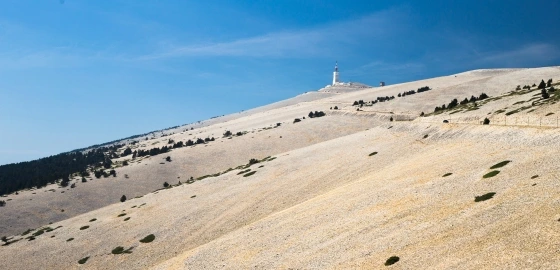
Mont Ventoux, nicknamed the "Giant of Provence", rises to 1,909 metres and dominates the Vaucluse landscape. This iconic peak is renowned for its varied landscapes, ranging from oak and cedar forests to a lunar peak devoid of vegetation. It attracts hikers, cyclists and nature lovers, especially thanks to its remarkable fauna and flora. Mont Ventoux is also a mythical place of the Tour de France, known for its formidable climbs. Classified as a Biosphere Reserve by UNESCO, it offers spectacular panoramas of Provence and beyond, all the way to the Alps on a clear day. Whether for a sporting challenge or for an escape, Mont Ventoux is a must-see destination in the region.
GASTRONOMY AND TASTING
Join the selection of producers on the platform.
Join the network*Featured listings are reserved for Pro Premium members, subject to terms and conditions.