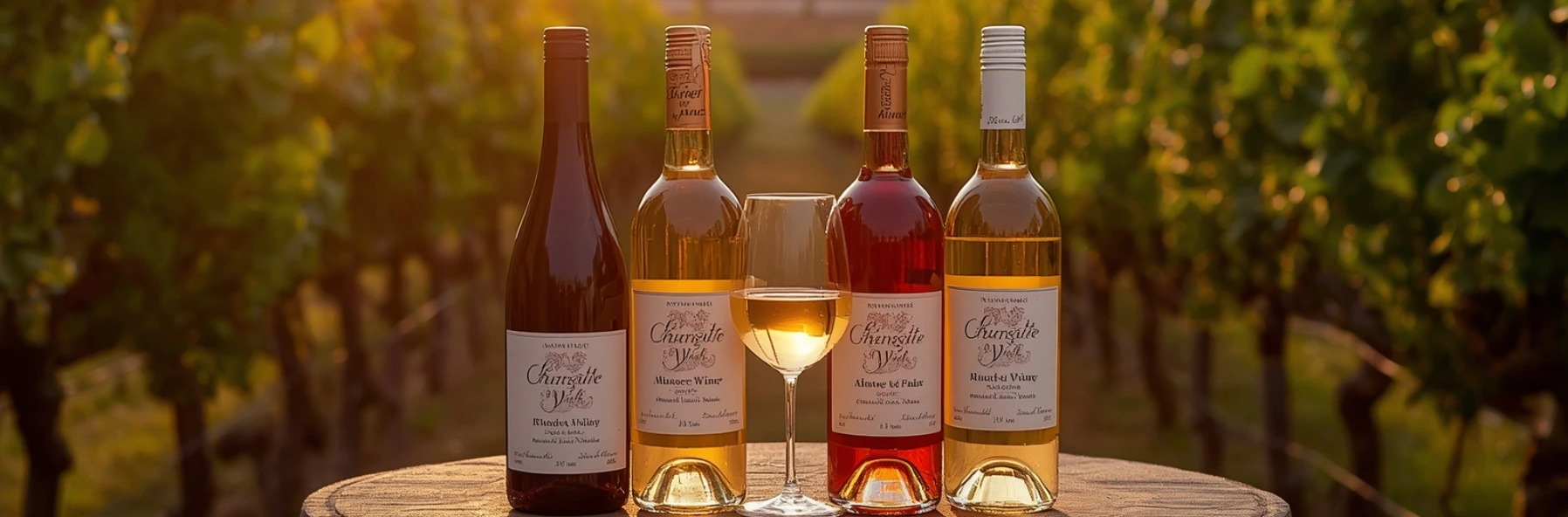
‘Moelleux’ and ‘Liquoreux’
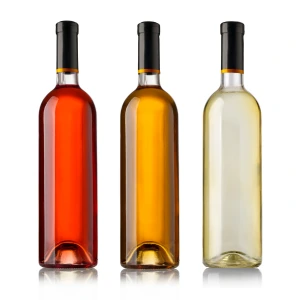
Often confused, or used to designate the same wines, these French terms actually distinguish wines according to the quantity of their unconverted sugar by volume. A naturally sweet wine (meaning a wine that has a higher concentration of natural sugar than typically found in wines) always contains less than 10 grams of sugar per litre. However, those are not to be confused with fortified sweet wines. Those wines are produced by adding alcohol which stops the fermentation process and retains some of the sugar, such as Ports, Banyuls and Riversaltes.
In contrast, the sugar level of a moelleux wine is typically between 10 grams per litre and 45 grams per litre. A liquoreux wine contains more than 45 grams per litre. Rich and concentrated, these wines often show great complexity, which allows them to age for a long time.
Botrytis cinerea
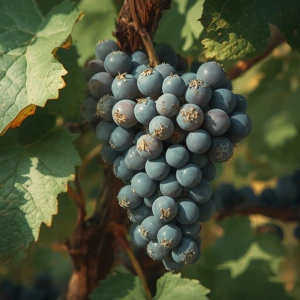
This fungus, which develops in the seed of the grape, is often referred to as ‘noble rot’ (which is meant to differentiate it from the grey mould that destroys the fruit). Botrytis has the ability to concentrate the sugar in grapes, and bring out specific, subtle aromas. It needs very particular circumstances to thrive properly, with the right levels of humidity and solar exposure, and perfectly healthy fruit.
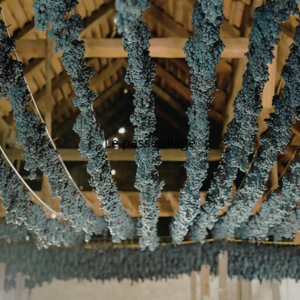
Raisining
This is one of the most used widely used techniques in the production of sweet wines. With raisining, the berries are dehydrated in order to concentrate their sugar. This can be done either during or after harvest. In the case of drying the grapes on the vine, the fruit is picked after the berries have raisined. However there are several possible approaches for raisining the grapes after harvest. The bunches can be hung in a ventilated room, laid on wooden racks or they can be rested on a bed of straw (a technique which gave rise to the famous Jura straw wines).
Ice wines
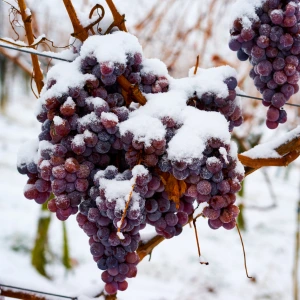
Also known as Eiswein or Icewine, these wines are mainly produced in cooler wine regions in Germany, Austria, Canada, and Alsace. They are produced through a delicate process where the grapes are harvested during the winter. As the fruit has been steadily ripening for two-three months past the typical harvest time, the frozen water in the grapes causes a high concentration of sugar and acidity. However, this process is risky, and requires very specific weather conditions, which do not occur every year.
Link: Explore our range of Sauternes for the Holiday Season

Join the selection of producers on the platform.
Join the network*Featured listings are reserved for Pro Premium members, subject to terms and conditions.